Industry
Road MaintenanceThe Challenge
A road authority responsible for managing more than 3,000 km of road network sought to improve how maintenance sites are identified and prioritized. Traditional pavement surveys provide accurate information, but the data can often be several years old. The authority therefore explored how connected vehicle data could complement existing datasets and provide more up-to-date insights to support maintenance planning.
The Results
Through collaboration between the road authority, managing agents, and NIRA Dynamics, connected vehicle road roughness data were integrated into the maintenance workflow. Scheme reports now combine traditional survey data with high-frequency condition measurements and deterioration predictions, helping engineers better demonstrate maintenance needs and prioritize maintenance schemes.
Products Used
Road Health by NIRA
About the Client
A NIRA Dynamics client is a road authority responsible for managing over 3,000 km of road network. The client is responsible for ensuring the condition and safety of a major European road network. The client commissions the planning and implementation of road maintenance through third parties (managing agents), who are responsible for specific geographical areas.
The Challenge
The general workflow for maintenance works is that:
- The road authority supplies the managing agents with network level pavement condition data collected using traditional survey methods
- Those data are assessed along with route inspections to identify sites (locations to be maintained), and design maintenance schemes (the works to be carried out)
- A maintenance request, is submitted by the managing agent, to the road authority, setting out the technical case for the scheme
- The managing agent will then prioritize the schemes into a maintenance plan and carry out the maintenance in line with the scheme design
Within this process, the identification of sites (and schemes) relies on high-quality pavement condition data. However, even though road survey data provides a high level of accuracy, it can be several years old. New technologies create opportunities to improve the current process, allowing managing agents to better demonstrate maintenance requirements to the road authority and ensuring the correct prioritization of maintenance schemes.
Driving Efficiency and Effectiveness
In a joint effort between the road authority, the managing agents, and NIRA Dynamics AB, road condition data provided by connected vehicles have been used to supplement existing datasets with accurate, high-frequency road quality data. The overall aim of this work is to enhance the data available to the scheme identification process by including pavement condition predictions as well as up-to-date condition data. The data used were NIRA Dynamics’ IRI data, which are derived from a subset of Volkswagen Group vehicles. These vehicles deliver pavement quality data at daily intervals.
To support this goal, a scheme reporting tool was developed that provides a detailed view of roughness measurements from connected vehicles. An extract from a scheme report is shown in Figure 1. These reports allow the contracted companies to better demonstrate maintenance needs to the road authority through the continual tracking of pavement performance over a 3–5 year period.
The data summarized in these reports can also be used to support maintenance prioritization, helping ensure that maintenance works are prioritized correctly.
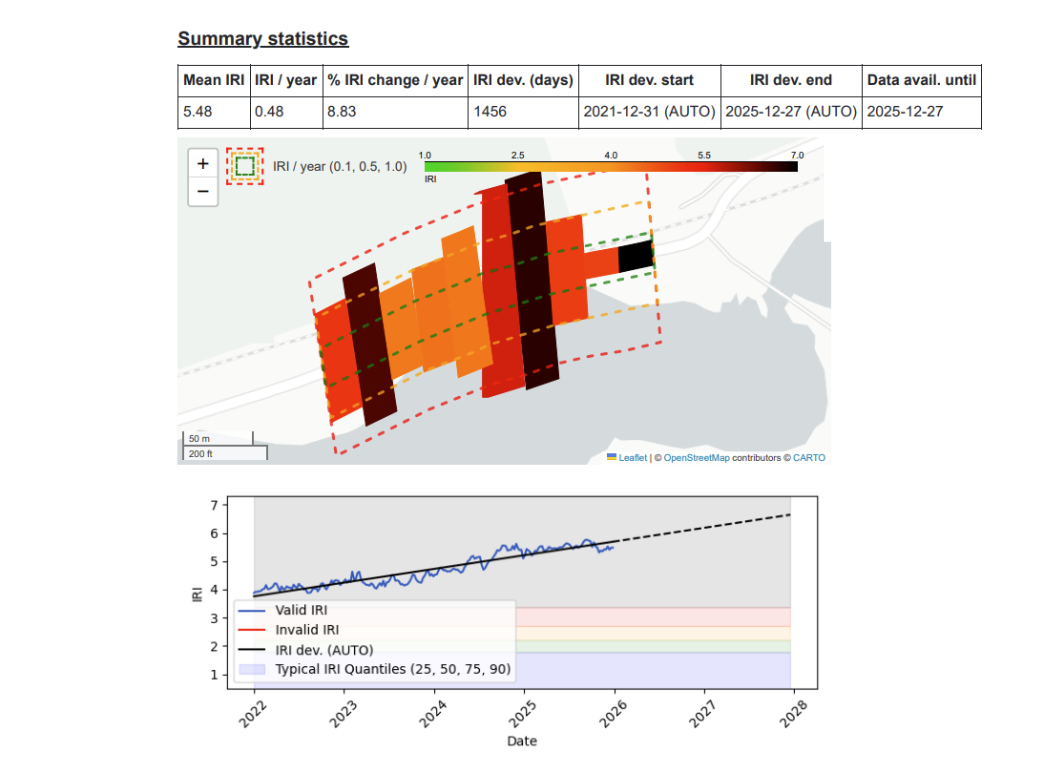
Figure 1: An extract from a scheme report
The Result
Scheme reports are now included as part of the standard information provided within maintenance requests. They complement traditional data by offering an up-to-date view of the scheme’s current condition while also providing predictions of its future deterioration.
The Future
The scheme reports generated to date have provided critical insight into the use of connected vehicle data for pavement condition monitoring. These insights have acted as the basis for the development of a scheme identification tool which will further aid engineers in the identification of sites, as well as demonstrating their current and historical performance.