Road Surface Conditions
Real-time connected vehicle data for intelligent vehicles.
Road Surface Information for smarter vehicles
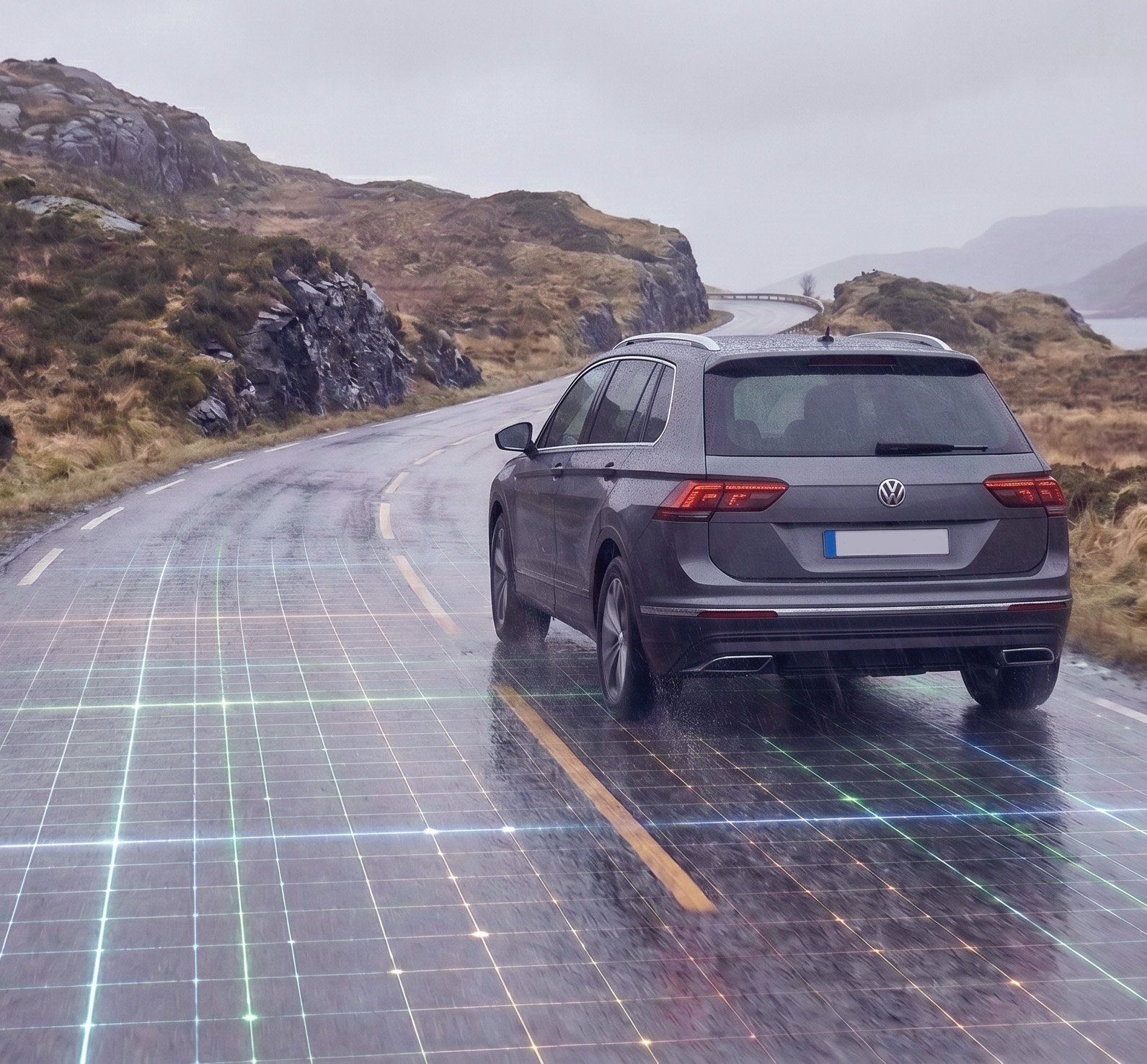
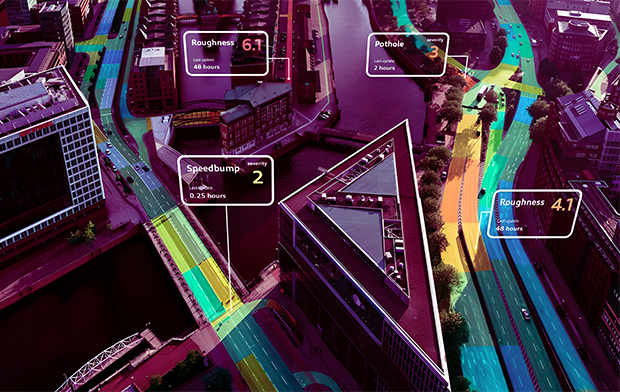
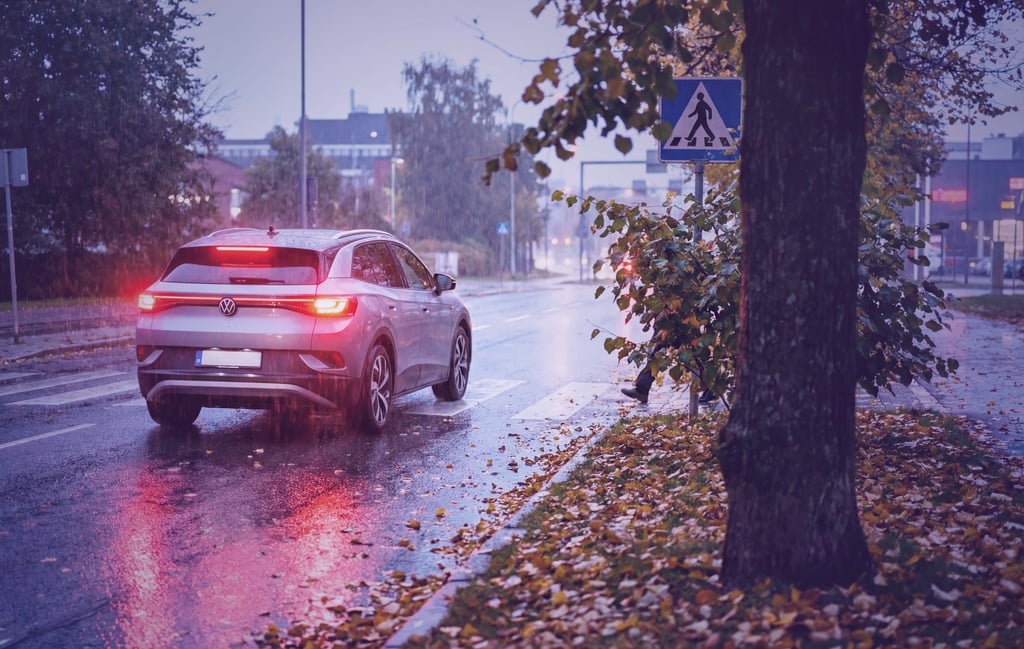
The car in front of you is speeding up. You're not. Why? Because the road ahead is deceivingly slippery, and your car knows it, even if you don't. As you approach a rough, pothole-infested stretch, your vehicle's systems have already adjusted, preparing for the conditions ahead. This is the power of Road Surface Conditions.
RSC transforms vehicles into intelligent systems that understand and adapt to the road beneath them. By providing ADAS with real-time, accurate data about grip levels, surface quality, and weather conditions, RSC enables a new generation of dynamic vehicle automation that responds to actual road properties, not just theoretical models.

What is Road Surface Conditions? Data-driven vehicle intelligence
Road Surface Conditions is a comprehensive data service that provides real-time information about road grip, surface quality, and weather conditions to advanced driver-assistance systems (ADAS) and automated driving functions. Unlike traditional systems that rely solely on sensors within a single vehicle, RSC aggregates data from multiple sources to create an accurate, constantly updated picture of road conditions across entire networks.
Built for Software Defined Vehicles:

ADAS
Improves ACC, curve assist, and four wheel drive with real time grip data.

Supports safe expansion of the Operational Design Domain through road condition insight.


Enhances range and regenerative braking based on actual grip conditions.
Key features of Road Surface Conditions:
-
Multi-Source Data Fusion: Combines data from connected vehicles, Road Weather Information Systems (RWIS), radar/satellite imagery, and weather forecasts for maximum accuracy and coverage.
- Real-Time Road Intelligence: Providesreal-time information about grip levels, surface roughness, and weather conditions on the road ahead.
- ADAS Integration: Designed specifically to enable dynamic, condition-aware ADAS functions at SAE Level 2 and beyond.
- Scalable Coverage: Leverages the collective intelligence of millions of connected vehicles to provide data across entire road networks, not just sensor locations.

Common use cases for Road Surface Conditions
Road Surface Conditions enables a new generation of intelligent, adaptive vehicle systems for OEMs and developers.
For Automotive OEMs:
-
Dynamic ADAS Functions: Enable adaptive cruise control, automatic emergency braking, and regenerative braking that adjust based on actual grip and surface conditions, not just theoretical models.
-
Enhanced Autonomous Driving: Allow highway pilot and curve assist features to operate safely by providing real-time data about road conditions ahead.
- EV Optimization: Improve electric vehicle range and driver experience with recuperation strategies that adapt to actual road grip and conditions.
For Tier 1 Suppliers & Application Developers:
-
Intelligent Navigation Systems: Build navigation apps that optimize routes and calculate accurate ETAs based on road roughness and current conditions, not just traffic.
-
Advanced Safety Applications: Develop next-generation safety systems that leverage comprehensive road condition data for predictive interventions.
- Autonomous Driving Platforms: Integrate RSC data into autonomous driving stacks to improve decision-making and safety margins.
Download the Road Surface Conditions Product Guide

Hero image heading
Road Surface Conditions - in a minute
Combining vehicle data and road weather models for next generation ADAS and safety applications.
Q&A
What is Road Surface Conditions (RSC)?
Road Surface Conditions is a real time data service that provides information about road grip, surface quality, and weather conditions. It delivers condition aware intelligence to advanced driver assistance systems and automated driving functions, enabling vehicles to adapt to actual road properties.
How does Road Surface Conditions work?
Road Surface Conditions uses multi source data fusion. It combines data from connected vehicles, road weather information systems, radar and satellite imagery, and weather forecasts. The data is analysed in real time to generate accurate road surface and grip insights across entire road networks.
What makes Road Surface Conditions different from traditional vehicle sensors?
Traditional systems rely on sensors within a single vehicle. Road Surface Conditions aggregates data from millions of connected vehicles and infrastructure sources to provide a broader and continuously updated picture of road conditions beyond the vehicle’s immediate surroundings.
What vehicle functions can Road Surface Conditions enable?
Road Surface Conditions supports dynamic, condition aware vehicle functions including:
• Adaptive cruise control
• Automatic emergency braking
• Curve assist
• Highway pilot
• Regenerative braking
• Four wheel drive activation
These systems can adapt based on real road grip and surface conditions rather than theoretical assumptions.
Does Road Surface Conditions support SAE Level 2 and automated driving?
Yes. Road Surface Conditions is designed to enable dynamic advanced driver assistance systems at SAE Level 2 and beyond by providing verified road condition context to automated driving systems.
How does Road Surface Conditions improve safety?
By delivering real time road grip and surface data, Road Surface Conditions allows vehicle systems to adjust speed, braking, and traction according to actual conditions. This helps reduce risk in low grip or rough surface situations.
Can Road Surface Conditions support electric vehicle optimization?
Yes. Road Surface Conditions enables regenerative braking and energy management strategies that adapt to real road grip and surface conditions, supporting improved efficiency and driving experience in electric vehicles.
Who is Road Surface Conditions designed for?
Road Surface Conditions is built for automotive OEMs, Tier 1 suppliers, and application developers who want to integrate real time road condition intelligence into advanced driver assistance systems, navigation systems, safety applications, and automated driving platforms.