How Can Road Authorities Reduce Salt Use Without Compromising Safety?

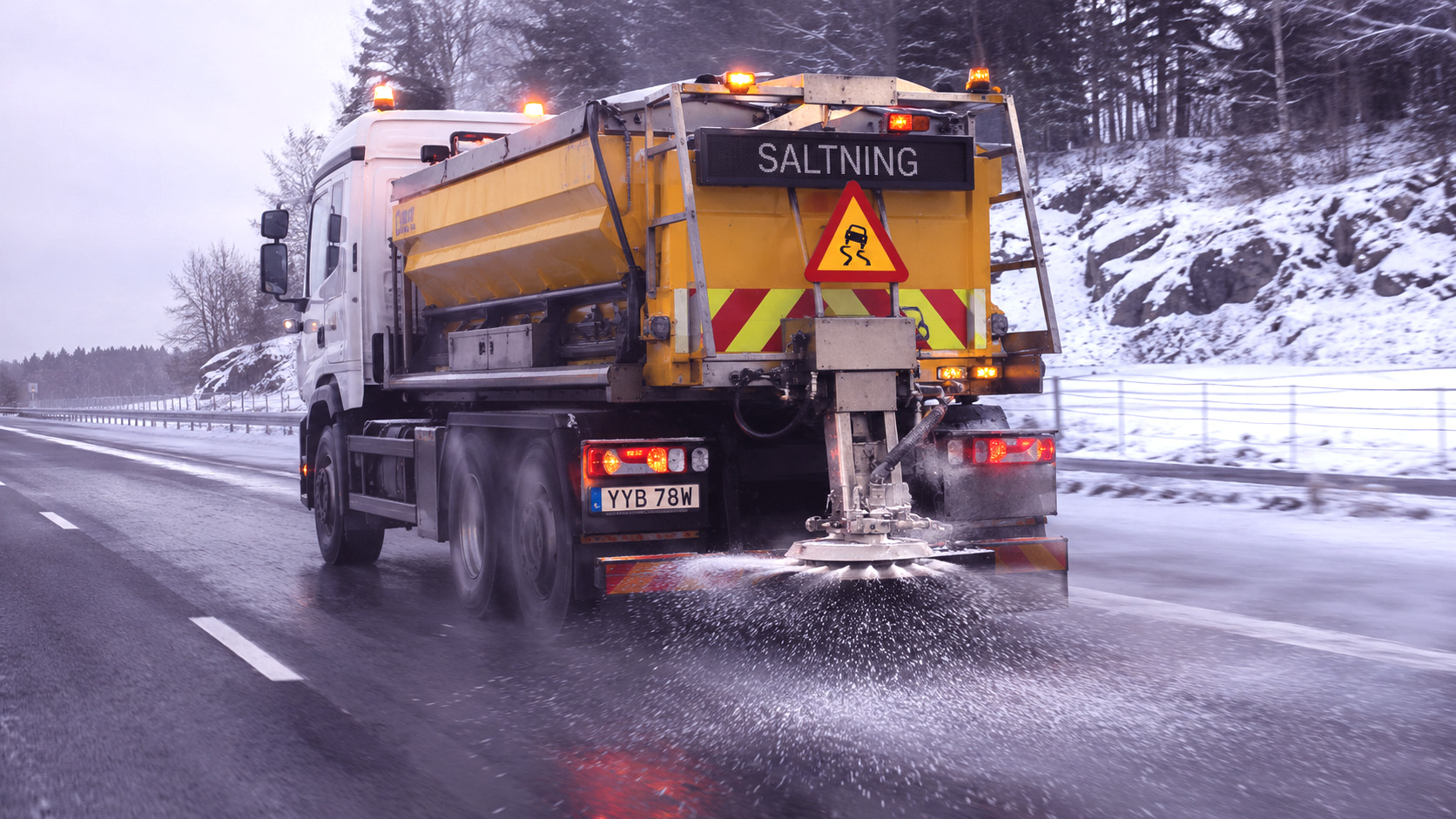
Road salt plays an important role in keeping roads safe and accessible during winter. However, excessive salt application increases maintenance costs, contributes to infrastructure corrosion, and can negatively affect soil, vegetation, and water quality.
For road authorities, the challenge is balancing road safety with economic and environmental considerations. Connected vehicle data helps address this challenge by providing real-time insights into actual road conditions alongside historical data analysis, enabling more accurate winter maintenance.
Why optimizing road salt usage is challenging
Winter maintenance decisions depend on several factors, including road surface temperature, precipitation, residual salt levels, traffic volumes and expected weather developments. Even within the same maintenance area, road conditions can vary considerably depending on local environmental conditions and road characteristics.
Weather forecasts, road weather stations and established maintenance procedures are fundamental to winter maintenance, but they provide limited insight of the road network at scale. As a result, uniform treatment strategies may lead to unnecessary salt application in some areas while leaving others insufficiently treated.
Using road friction data to optimize salt application
While weather forecasts help maintenance teams anticipate changing conditions, road friction data provides insight into the grip experienced by vehicles traveling the network.
NIRA's Winter Road Insights uses connected vehicle data to provide detailed road friction information, with updates every ten minutes. Combined with weather forecasts, maintenance records and existing operational tools, this information can support several aspects of winter maintenance:
NIRA's Winter Road Insights provides a detailed view of road friction across the network using connected vehicle data updated every ten minutes. By combining these insights with weather forecasts and maintenance records, road authorities can make more informed decisions about where, when and how to treat roads:
- Targeted salt application: Identify road sections where deteriorating friction conditions may require attention.
- Reduced unnecessary treatments: Provide additional information when assessing the need for further treatment.
- Treatment evaluation: Monitor how road friction develops following salt application.
- Long-term optimization: Identify recurring patterns in winter road conditions and refine treatment strategies.
Optimizing salt usage in practice
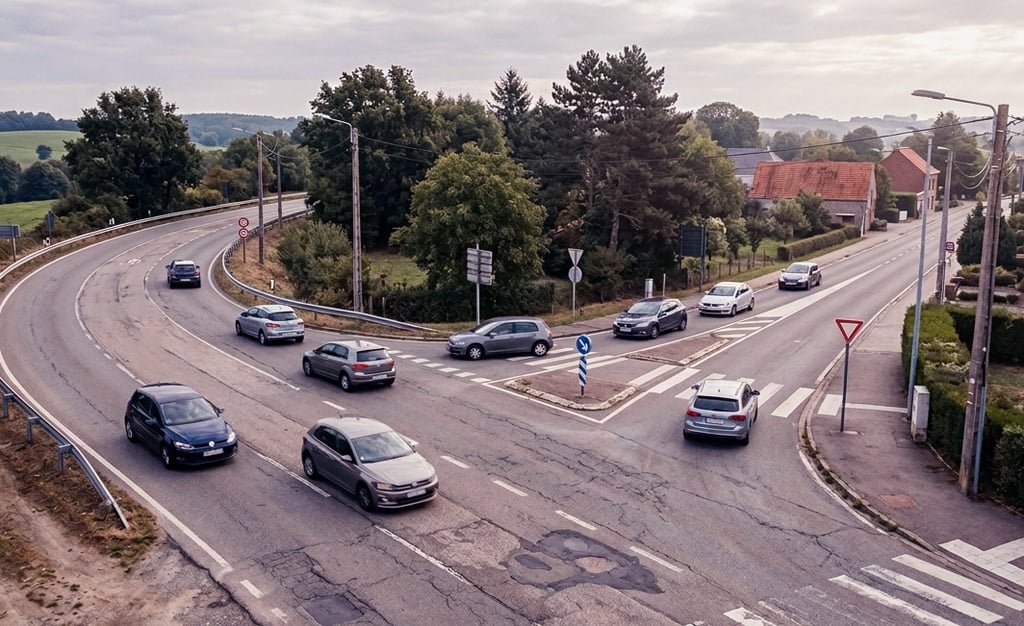
Understanding how winter road conditions vary across a network can reveal opportunities to optimize salt application. During the winter of 2023/24, the Danish Road Directorate used NIRA's friction data to identify differences between highway ramps and adjacent highways. The analysis revealed consistently lower friction on ramps, providing a basis for adapting salt application to the specific needs of different road sections.
Beyond identifying local variations, friction data can also help evaluate whether existing treatment strategies are delivering the intended results. In Sweden, Trafikverket uses NIRA's Winter Road Insights to assess winter maintenance performance across the road network. Repeated friction observations help identify recurring problem areas and provide a basis for refining maintenance strategies over time.
Both cases illustrate how connected vehicle data can complement established winter maintenance practices, supporting decisions based on observed road conditions.
Read more about how the Danish Road Directorate and Trafikverket use connected vehicle data to optimize winter maintenance:
Read the Danish Road Directorate case study here
Read the Trafikverket case study here
Making winter maintenance more sustainable
Salt consumption alone is not a sufficient measure of successful winter maintenance. Reducing salt usage must be considered alongside the road conditions achieved and the safety requirements that authorities are responsible for meeting.
By incorporating NIRA's Winter Road Insights into existing maintenance processes, road authorities can make more informed treatment decisions, optimize resource allocation and reduce unnecessary environmental impact while maintaining road safety as the priority.
Ultimately, sustainable winter maintenance is not simply about using less salt. It is about using the right amount, in the right place, at the right time.